

Everything relevant to bilateral relations: a look back at the past two weeks and a look ahead at the next two weeks
Every other Thursday, The Bilateral Briefing provides its paying subscribers with a summary of all the events that matter for German-Israeli relations. Each item comes with links to original sources and further media coverage. Subscribe now to stay fully informed about the bilateral relationship.
Looking back at the two weeks from October 22 to November 5, this update covers, among other things, German reactions to the Israeli election, the sharp rise in Israeli applications for German citizenship, an open letter from Bodo Ramelow to the German-Israeli Society, and a Green Party motion on Middle East policy in the Bundestag.
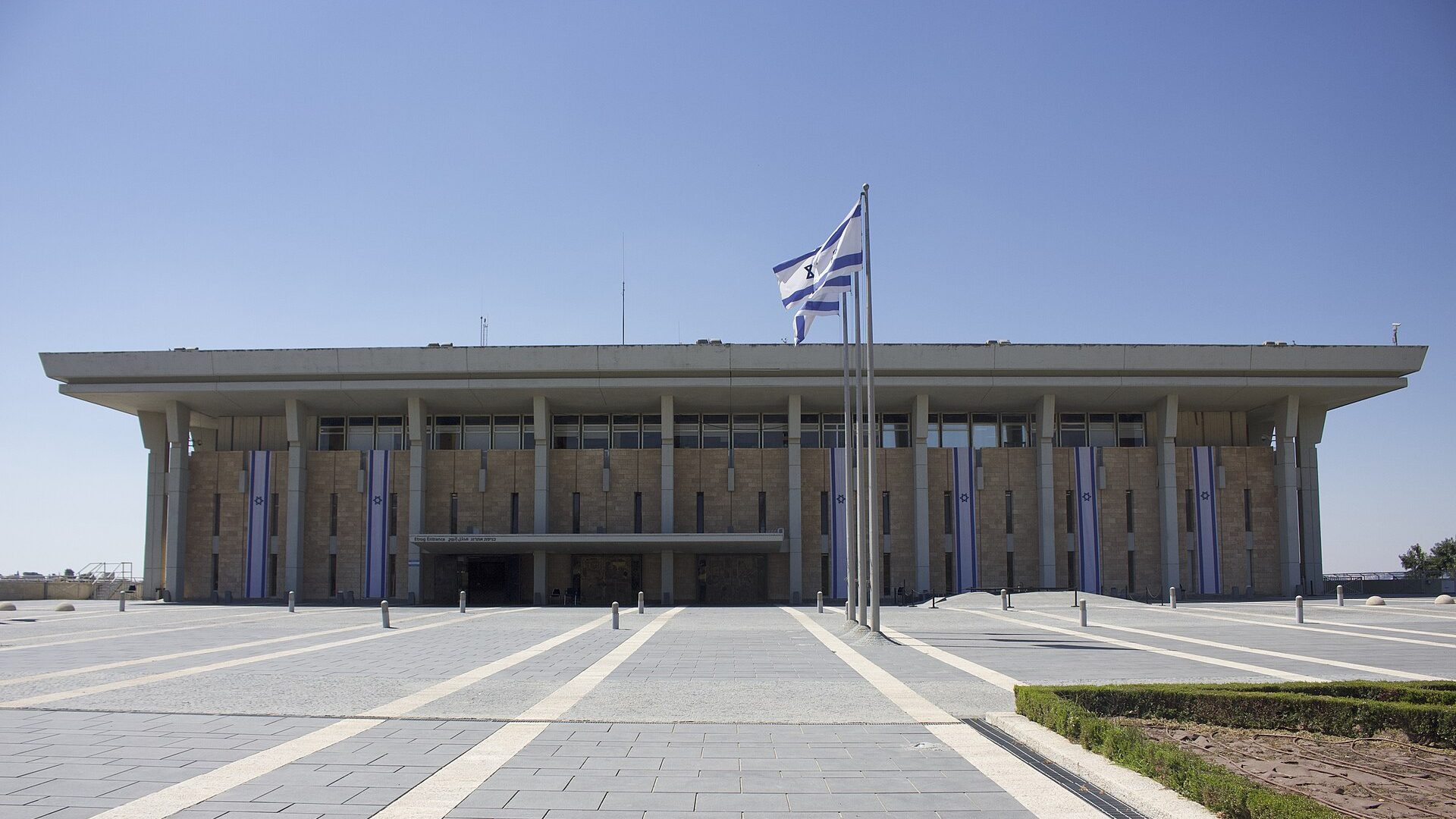
Looking ahead to the two weeks from November 6 to 19, we highlight, among other things, the opening session of the new Knesset, the commemoration of the November pogroms, and the general meeting of the German-Israeli Society.
Looking Back
Restraint in Berlin: German Reactions to the Israeli Election
Following the Knesset election on October 27, the German government is holding back on assessments. Neither the camp of Prime Minister Benjamin Netanyahu nor the bloc of challenger Gadi Eisenkot has a clear path to a majority. At the government press conference on Wednesday last week, Martin Giese, spokesman for Foreign Minister Johann Wadephul (CDU), declined to comment, as Deutsche Welle reports. He stressed, however, that Germany is in contact with numerous representatives in Israel through its ambassador.
Giese also said that the Jewish state and Germany are inseparably linked by their history, and that Germany will do everything to work well with any future government. At the same time, the German government has recently sharpened its rhetoric toward Netanyahu’s policies: after a large Israeli military operation near Hebron, Wadephul warned that Israel is obliged under international law to protect the rights of Palestinians as well.
Development Minister Reem Alabali Radovan (SPD) was more outspoken. “Winter is coming, and it will be difficult,” she said in an interview with Politico, referring to Gaza; aid, she added, must not wait for coalition negotiations in Israel to conclude. She told DW and RTL that “radical settler violence” in the West Bank must be stopped. Since the Netanyahu government remains in office in a caretaker capacity, she said, this must happen now as well.
Jürgen Hardt, foreign policy spokesman of the CDU/CSU parliamentary group, told DW he would like to see a government closer to the political center. He considers a minority government under Eisenkot, backed by Arab parties, conceivable. In the Tagesspiegel, Hardt said on October 28 that, tactically, Eisenkot now faces the harder task of forming a government that includes Arab parties. He called on Israel to change course on settlement policy (“What is happening there at the moment is wrong”) and urged that US President Donald Trump’s peace proposals be pursued regardless of the election outcome. Bundestag Vice President Omid Nouripour (Greens) told DW that, after the turbulence of recent years, for instance over the judicial overhaul, the result was good ne…